
Spring is a welcome reset in New England. Snowbanks melt, daylight stretches longer, and homeowners finally get a clear look at what winter did to their property. While siding, walkways, and landscaping usually get attention first, the roof deserves a close look too.
In this region, winter can be especially hard on roofing systems. Snow loads, freeze-thaw cycles, ice dams, and wind-driven storms can all leave behind damage that is easy to miss from the ground. And small issues in March or April can turn into expensive leaks by the time spring rain and summer humidity arrive.
Why Spring Is the Right Time for a Roof Check
New England roofs go through a lot in just a few months. As snow melts and temperatures swing between freezing nights and warmer days, roofing materials expand and contract. That movement can stress shingles, flashing, seals, and gutters. Internal TT Roofs material notes that ice dams often form when attic heat melts snow that later refreezes at the eaves, forcing water back under shingles. It also emphasizes that the real fix is often a combination of air sealing, insulation, and proper ventilation rather than a temporary surface patch.
That makes spring the ideal time to catch problems early—before they lead to hidden moisture damage, mold, or larger repairs.
A Practical Spring Roof Checklist
Here are a few things New England homeowners should watch for:
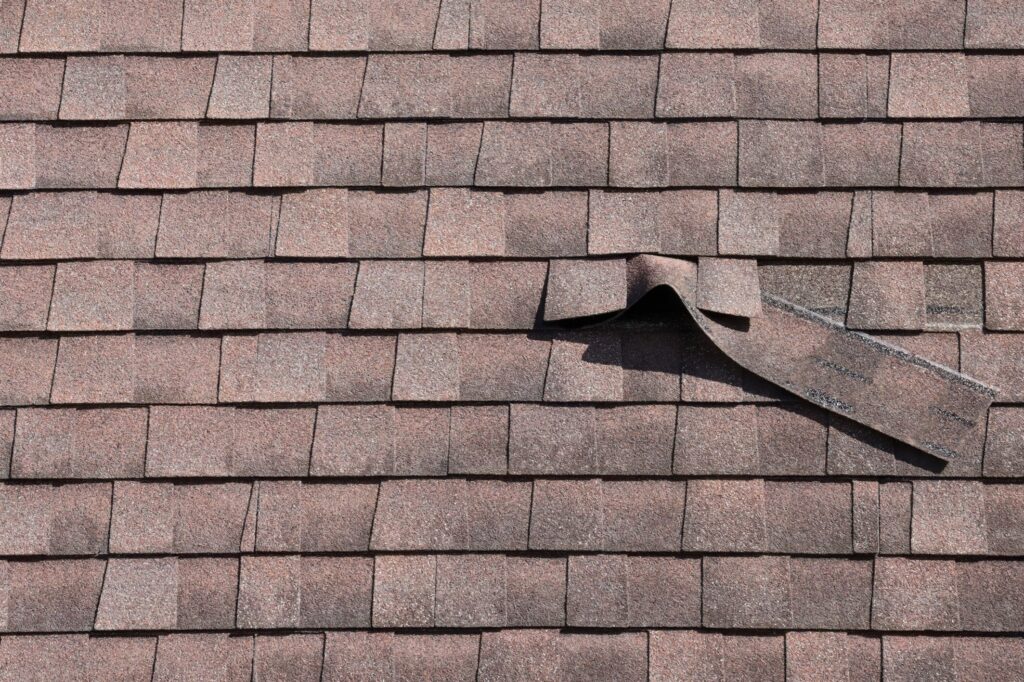
1. Missing, lifted, or curling shingles
Winter wind and freeze-thaw cycles can loosen shingles or cause edges to curl. If you notice uneven roof lines or bare spots, it may be a sign that water can work its way in during spring storms.
Winter wind and freeze-thaw cycles can loosen shingles or cause edges to curl. If you notice uneven roof lines or bare spots, it may be a sign that water can work its way in during spring storms.
2. Stains on ceilings or attic wood
Brown spots on ceilings, damp insulation, or signs of moisture in the attic can point to leaks that started during winter. These often show up after snowmelt or driving rain.
Brown spots on ceilings, damp insulation, or signs of moisture in the attic can point to leaks that started during winter. These often show up after snowmelt or driving rain.
3. Gutter clogs and drainage issues
Leaves, granules, and debris can block gutters and downspouts, causing water to back up along the roof edge. That backup increases the risk of rot, fascia damage, and seepage near the foundation.
Leaves, granules, and debris can block gutters and downspouts, causing water to back up along the roof edge. That backup increases the risk of rot, fascia damage, and seepage near the foundation.
4. Flashing problems around chimneys, valleys, and walls
Many leaks start at transitions—not in the middle of the roof field. TT Roofs’ internal guidance notes that flashing failures around chimneys, step walls, and valleys are a common cause of leaks.
Many leaks start at transitions—not in the middle of the roof field. TT Roofs’ internal guidance notes that flashing failures around chimneys, step walls, and valleys are a common cause of leaks.
5. Signs of past ice damming
Large icicles, peeling paint near roof edges, stains on exterior walls, or water marks inside the home may indicate that winter ice dams caused hidden trouble. These issues should not be ignored just because the snow is gone.
Large icicles, peeling paint near roof edges, stains on exterior walls, or water marks inside the home may indicate that winter ice dams caused hidden trouble. These issues should not be ignored just because the snow is gone.
6. Ventilation and attic airflow concerns
Poor attic ventilation can shorten roof life and contribute to recurring winter damage. A spring inspection is a good time to evaluate whether airflow and insulation are working together the way they should. TT Roofs’ internal content specifically highlights the importance of ridge vent and soffit intake balance.
Poor attic ventilation can shorten roof life and contribute to recurring winter damage. A spring inspection is a good time to evaluate whether airflow and insulation are working together the way they should. TT Roofs’ internal content specifically highlights the importance of ridge vent and soffit intake balance.
Context and Analysis
A spring roof check is not only about spotting obvious storm damage. It is also about understanding whether last winter exposed a bigger system issue. In New England, recurring roof problems are often tied to ventilation, insulation, flashing, and drainage—not just shingle age alone. TT Roofs’ internal homeowner guidance reinforces that “winter performance” is often the real roofing issue in this climate.
For homeowners, the goal should be simple: identify small issues before they become repeat expenses. A minor flashing repair or gutter correction in spring is far easier to manage than emergency leak repairs during a summer thunderstorm.
Key Takeaways
- Spring is the best time for New England homeowners to inspect for winter roof damage.
- Watch for shingle wear, attic moisture, flashing problems, and clogged gutters.
- Ice dams often point to deeper issues involving insulation, air sealing, and ventilation.
- Catching problems early can help avoid larger repair costs later in the year.